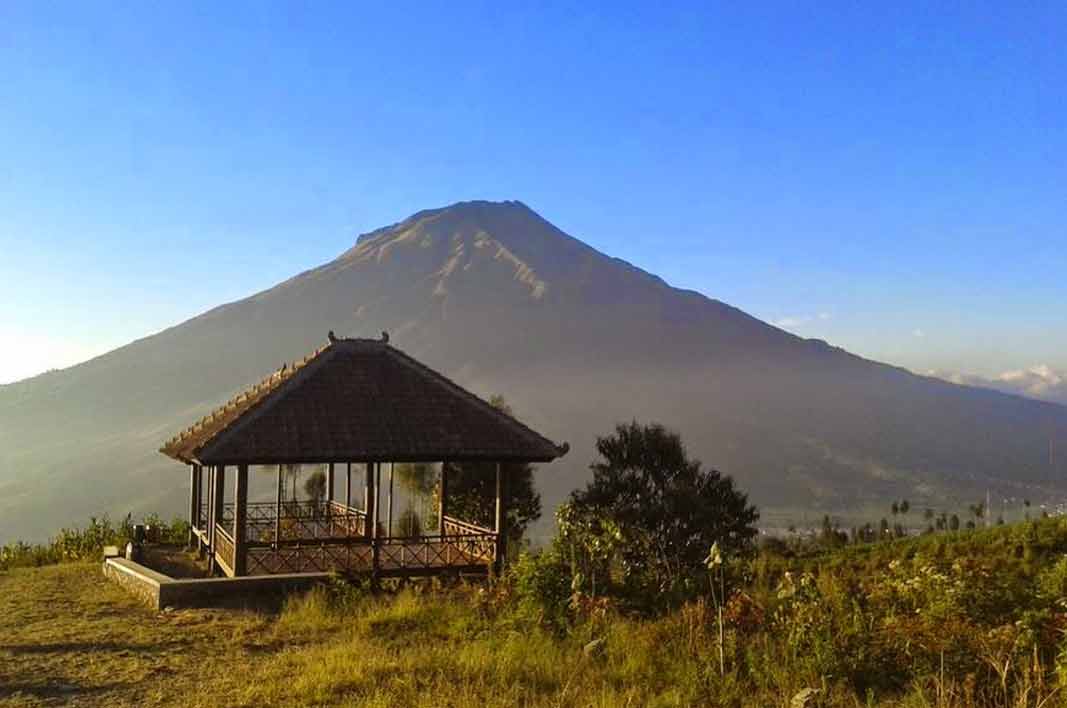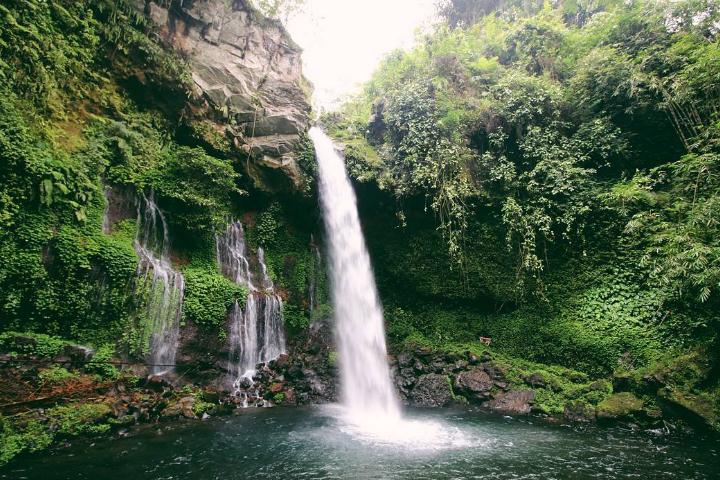
Tucked away in the highlands of Lumajang, East Java, Goa Tetes is a natural cave destination that feels worlds apart from the crowded tourist circuit. Water drips steadily from the cave ceiling — hence the name tetes (drops) — feeding small pools and a gentle waterfall that spills over moss-covered rock. Towering green mountains frame the site, making the approach as rewarding as the cave itself.
What Makes Goa Tetes Special
Unlike dry limestone caves, Goa Tetes is alive with moving water. A curtain of droplets falls inside the cavern, creating a cool, misty atmosphere. Outside, visitors are greeted by panoramic views of the surrounding peaks and valleys. The area combines cave exploration, waterfall scenery, and mountain vistas in a single compact visit — rare even by East Java's standards.
The Myth of the Lucky Water
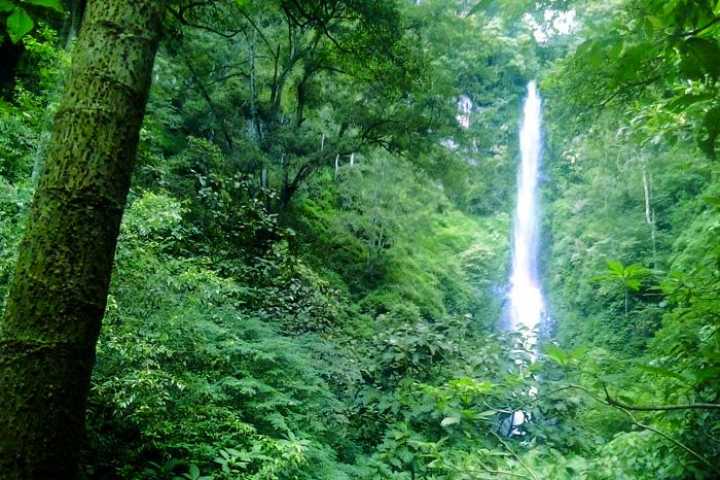
Locals believe the water inside Goa Tetes carries air keberuntungan — water that brings good fortune. Visitors often splash the cave water on their faces or collect small amounts to take home. While the belief is rooted in folklore rather than science, it adds a layer of meaning to the visit and reflects the deep cultural connection between Lumajang's communities and their natural landmarks.
Planning Your Visit
Goa Tetes sits within Lumajang Regency, a region known for its rugged landscapes and under-the-radar attractions. The cave is accessible by road, though the final approach typically involves a short walk through forested terrain. As with many natural sites in the area, facilities are modest — visitors should come prepared with sturdy footwear, drinking water, and a sense of adventure.
For those exploring East Java beyond the usual stops, Goa Tetes offers a quiet, atmospheric experience where nature and local tradition meet.